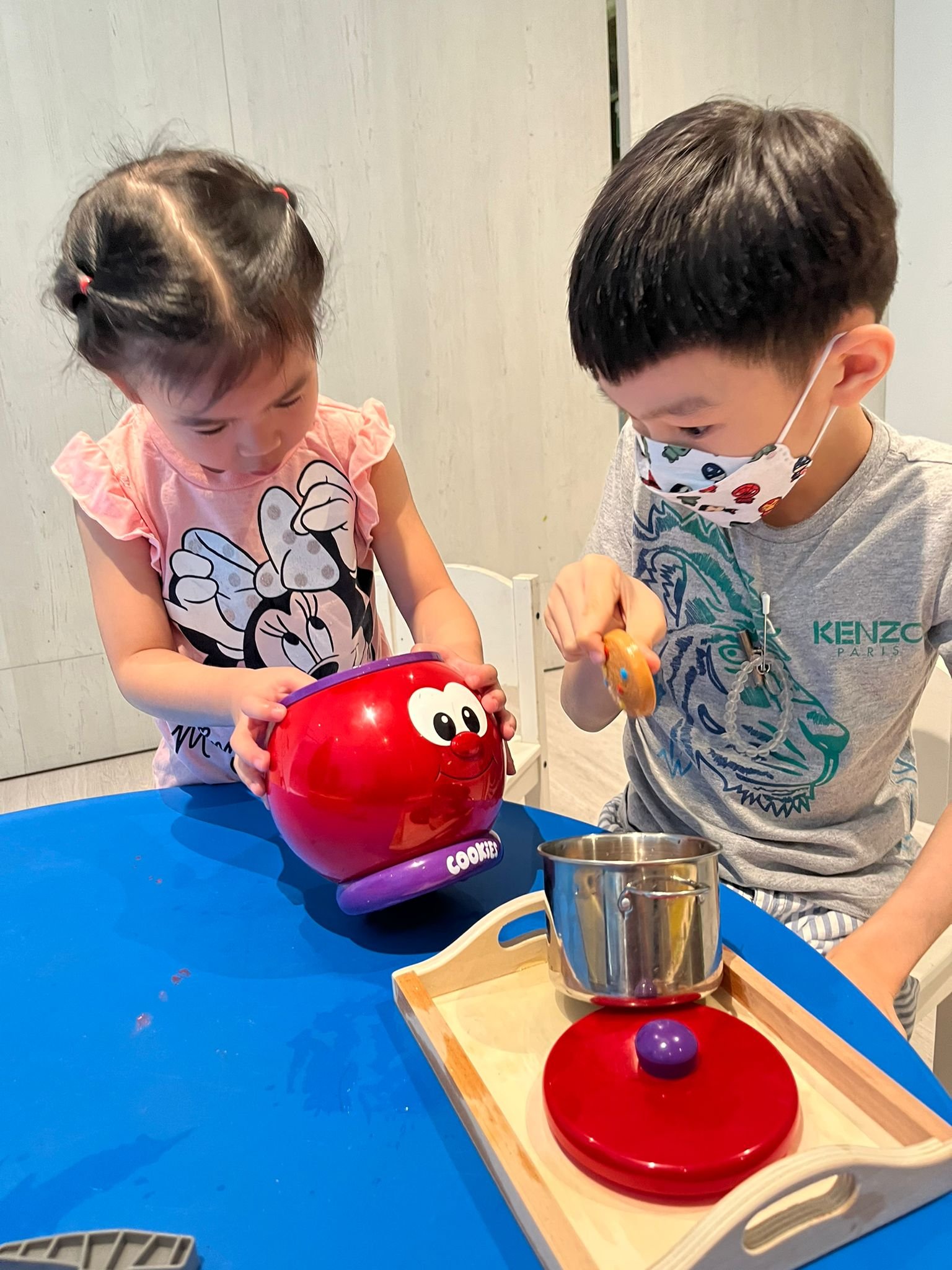
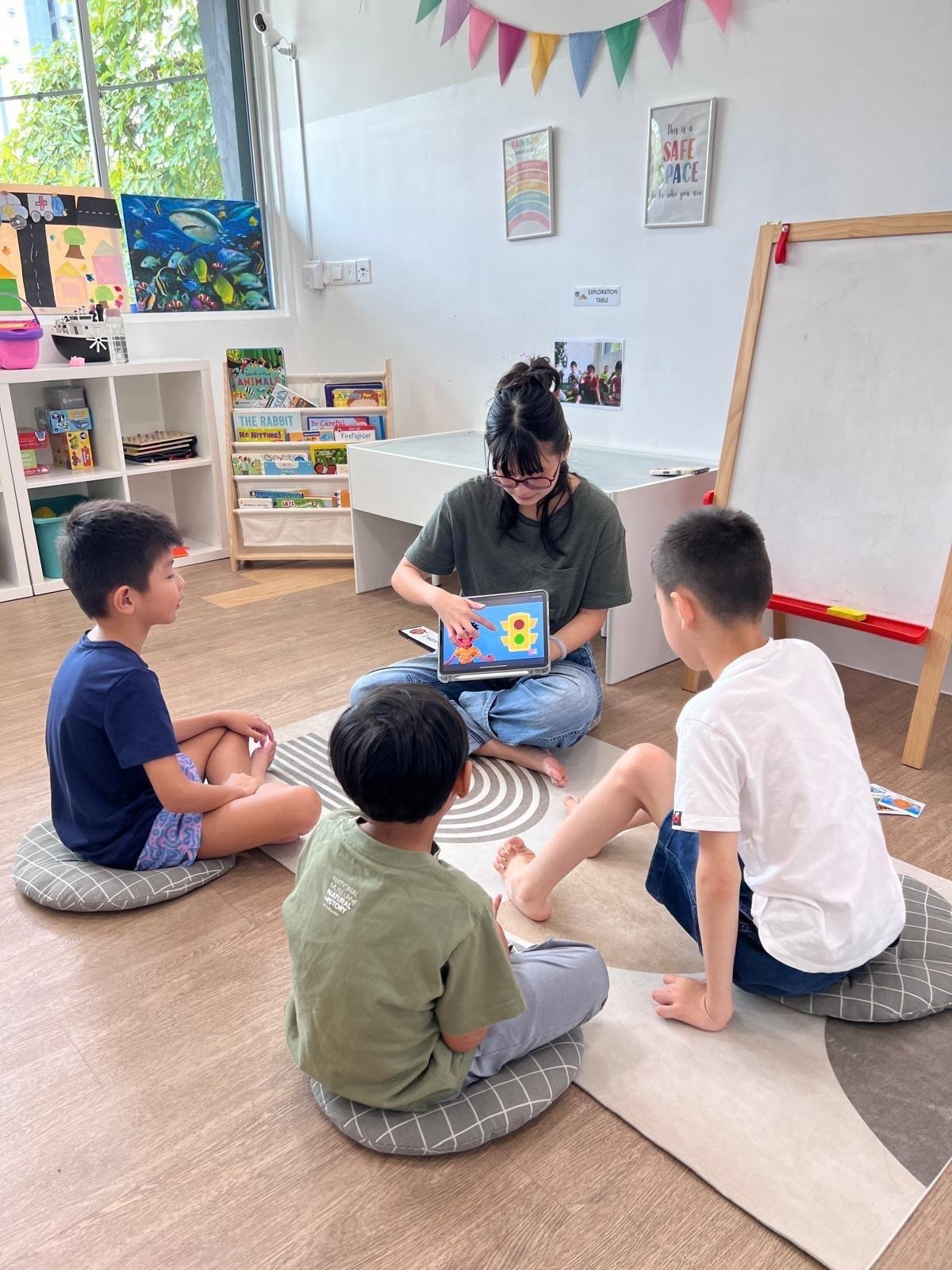
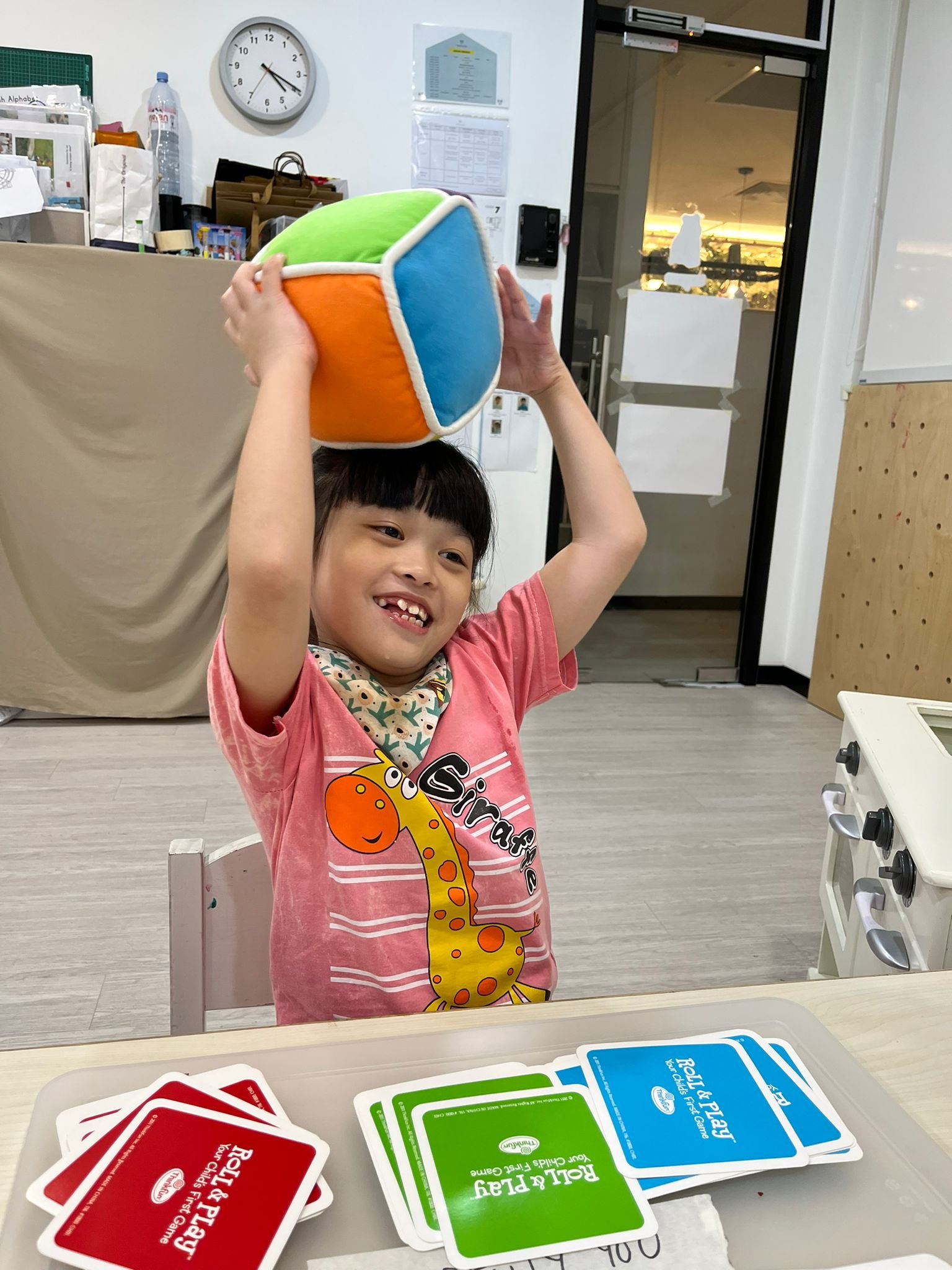
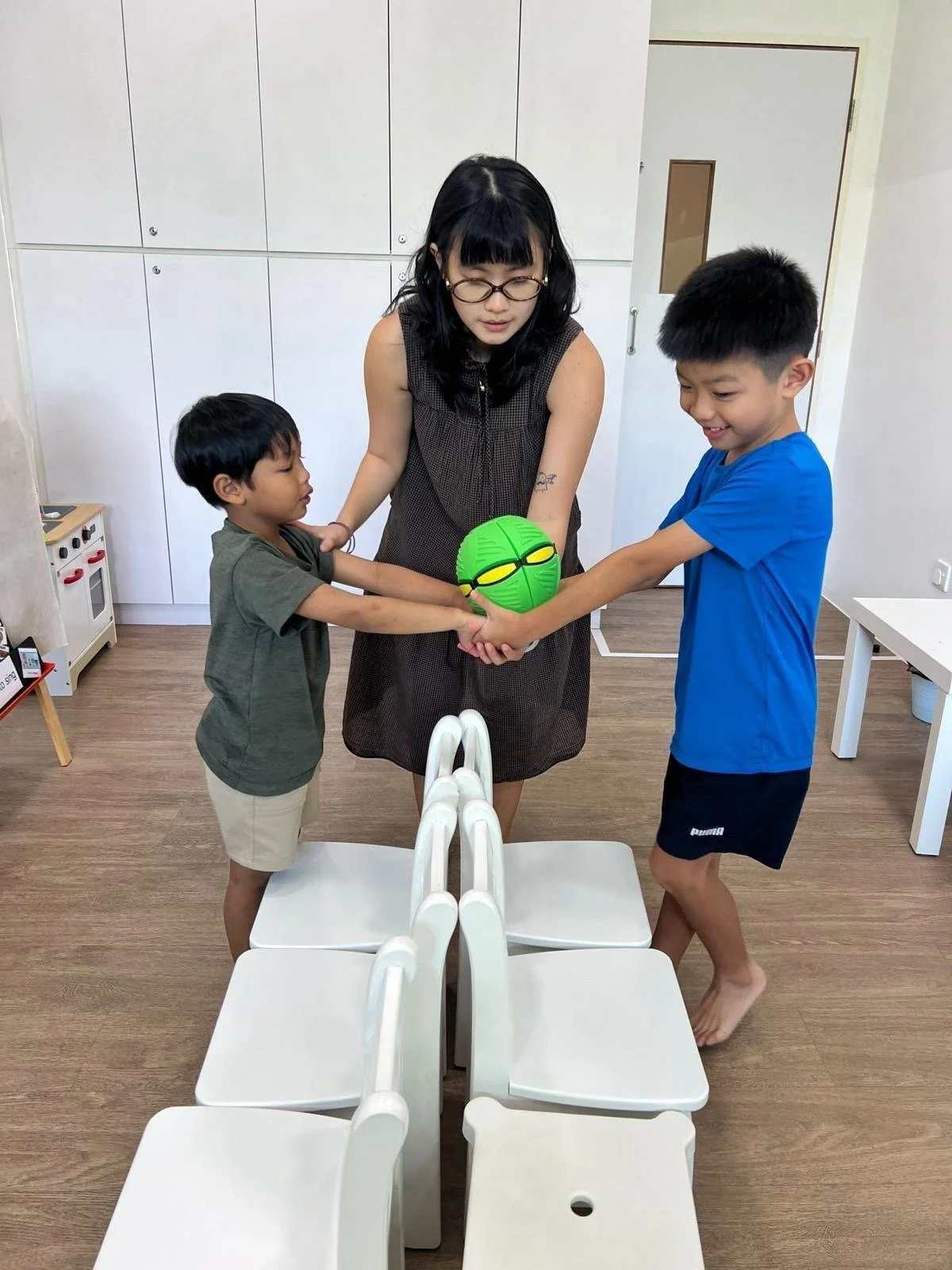
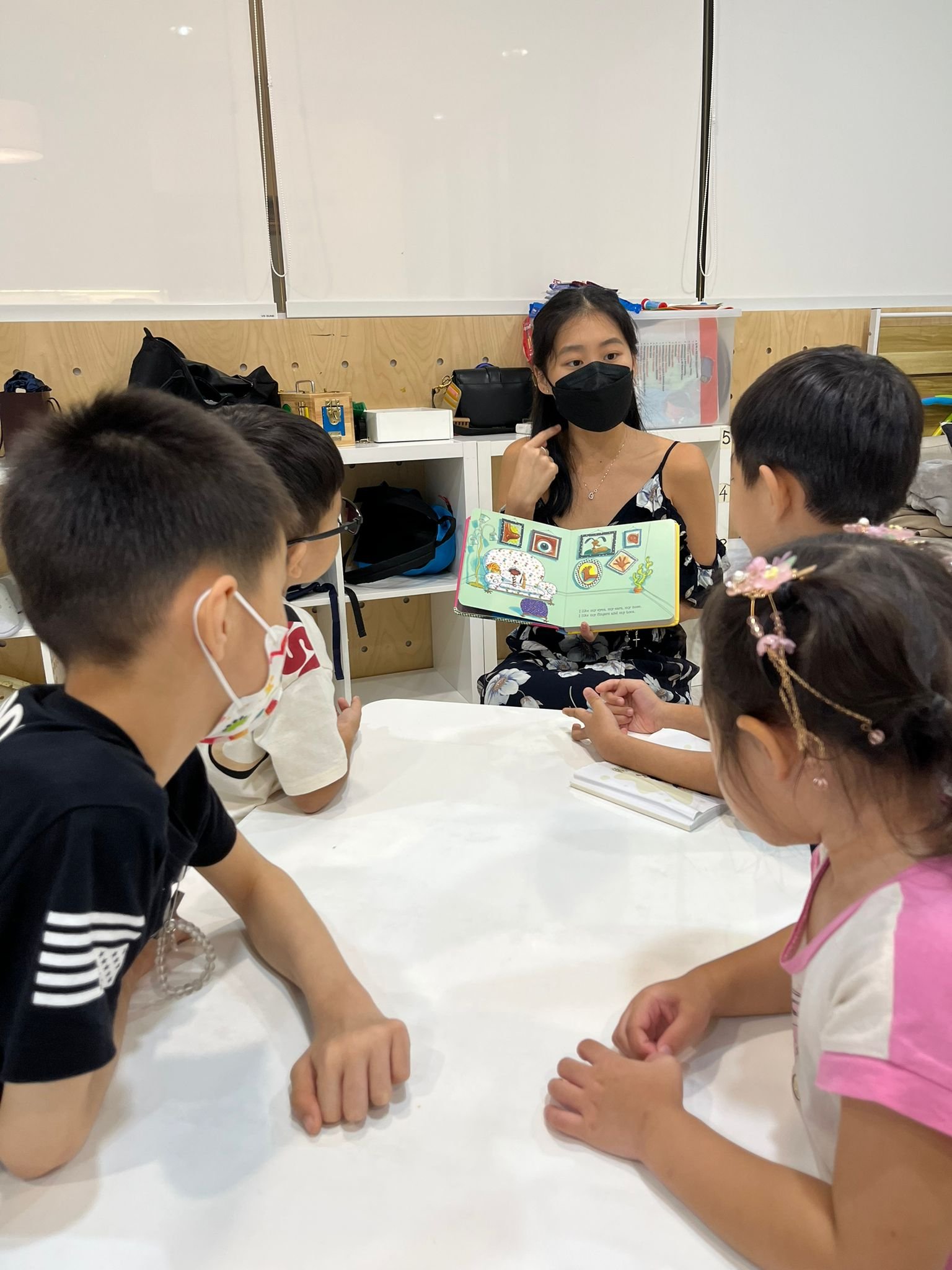
Our Social-Emotional Group Class Programme provides a supportive and engaging environment where children develop the confidence and skills to build meaningful relationships, communicate effectively, and participate successfully in social situations. Through small-group learning, children have regular opportunities to practise interacting with peers while receiving individualised support tailored to their unique strengths, needs, and developmental goals.
Sessions focus on developing communication, emotional regulation, perspective-taking, flexible thinking, problem-solving, executive functioning, and friendship skills through structured teaching, play-based activities, collaborative games, role-play, and real-life practice. By learning alongside peers in a safe and encouraging environment, children gain the confidence to navigate everyday social situations across home, school, and community settings.
-
It is suitable for children who would benefit from additional support in developing communication, social interaction, emotional regulation, and relationship-building skills.
Whether your child finds it difficult to initiate conversations, understand social cues, manage emotions, work with peers, or build friendships, the programme provides a structured environment to develop these skills through guided practice.
-
Support is individualised to each child's strengths and goals and may focus on developing:
Communication and conversational skills
Social interaction and friendship building
Emotional awareness and regulation
Perspective-taking and understanding others
Flexible thinking and problem-solving
Executive functioning and self-management
Turn-taking, cooperation, and teamwork
Conflict resolution and negotiation
Confidence and self-advocacy
Independence in social situations
-
Each session combines explicit teaching with meaningful opportunities to practise new skills alongside peers. Activities may include:
Group discussions
Cooperative games
Role-play and social scenarios
Emotion recognition and regulation activities
Problem-solving challenges
Perspective-taking tasks
Collaborative projects
Community-based learning experiences
Reflection and goal setting
Children are supported to generalise their skills across different situations while receiving encouragement and constructive feedback throughout the session.
-
Social skills are best developed through meaningful interactions with others. Our small-group setting provides children with natural opportunities to communicate, collaborate, solve problems, and build friendships in a supportive environment.
Therapists provide guidance when needed while encouraging children to think independently, learn from one another, and develop confidence through authentic social experiences.
-
Developing a skill during a session is only the first step. We provide children with repeated opportunities to apply their learning across different activities, peer interactions, and real-life situations.
Parents are also provided with practical strategies and recommendations to reinforce learning beyond the therapy setting, promoting meaningful and lasting progress.
Social success involves much more than simply interacting with others. Our programme helps children develop the communication, emotional regulation, flexibility, confidence, and problem-solving skills needed to build meaningful relationships, navigate social challenges, and participate confidently in everyday life.
More than making friends