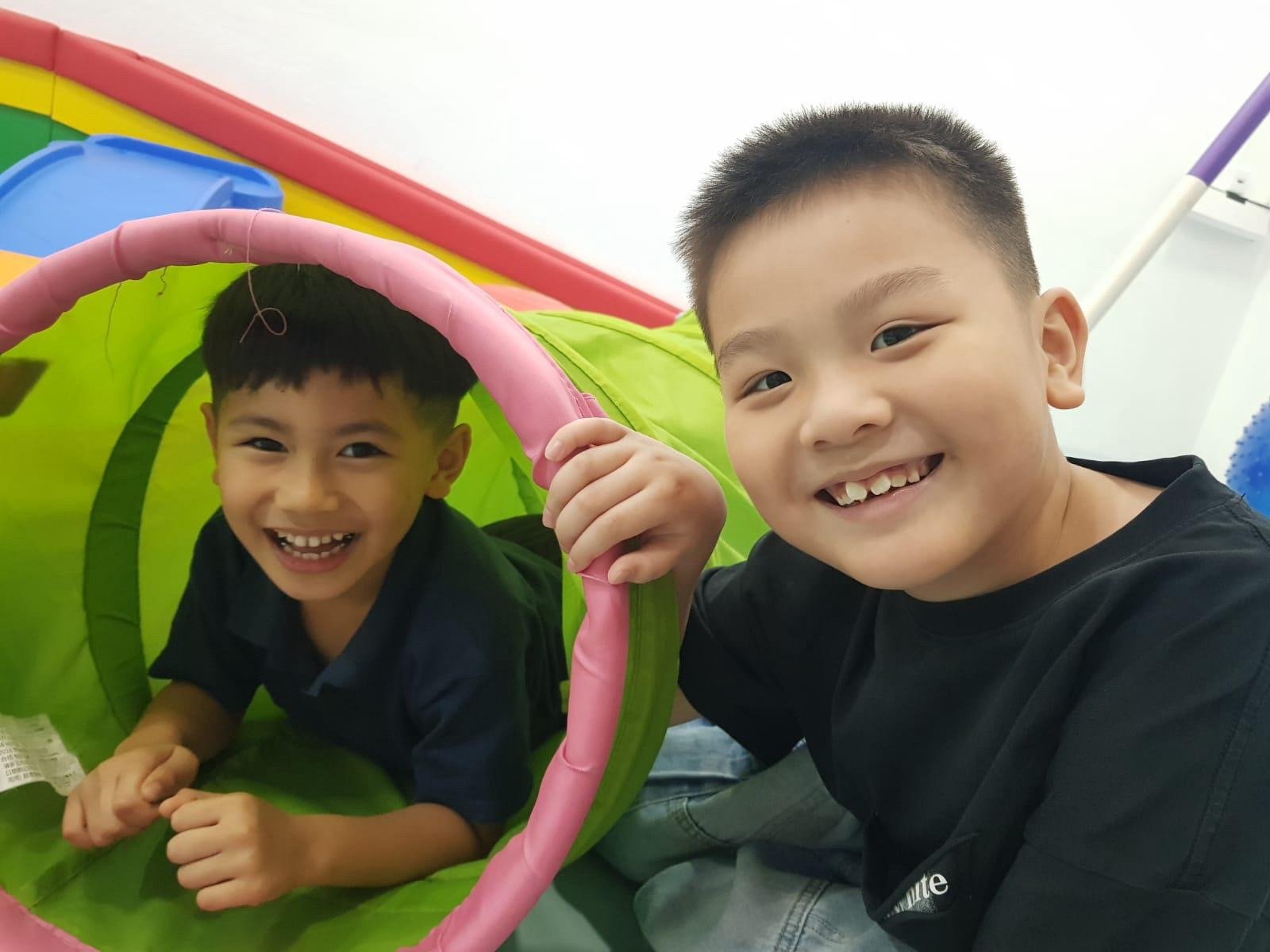
Our First Steps Early Intervention Programme supports children across eight core areas of development within a nurturing small-group environment. Through a multi-tiered, activity-based approach and differentiated instruction, learning experiences are thoughtfully adapted to each child's strengths, needs, and developmental goals.
We create meaningful opportunities for children to learn, explore, connect, and build the foundational skills they need for everyday life and future learning.
Take your First Steps with us.
-
Finding the right support begins with understanding your child. Our journey starts with an initial conversation to learn more about your child's current development, your family's priorities, and what you hope to achieve through the programme.
Families are then invited for a visit and consultation, giving your child an opportunity to experience the environment while our team gets to know them more naturally.
From there, we recommend the programme arrangement that best supports your child's needs and map out an individualised developmental progression across the terms.
This provides a clear pathway of the goals and skills your child will work towards at each stage, allowing us to track whether they are progressing as expected and adjust their learning priorities as they develop.
-
AEPS-Guided Assessment & Planning
We use the Assessment, Evaluation, and Programming System (AEPS) to understand each child's strengths, emerging skills, and developmental priorities. Assessment findings guide individualised goals and programme planning, allowing us to meaningfully track progress and adapt support as each child develops.
Individualised Goals Within Group Learning
Every child follows their own developmental goals while learning alongside peers in a small-group environment. This allows for targeted support while creating natural opportunities to practise communication, social interaction, independence, and participation with others.
Learning Through Play & Meaningful Experiences
Children learn through purposeful play, hands-on activities, thematic projects, and everyday experiences. We thoughtfully embed developmental goals into activities that are engaging and relevant, allowing children to build skills in ways that feel natural and motivating.
Learning Beyond the Classroom
Our programme extends learning into outdoor, sensory, and community-based experiences. These environments provide opportunities for children to explore, regulate, communicate, problem-solve, and apply their developing skills across different settings.
Progress That Extends Into Everyday Life
We focus not only on what a child can do during sessions, but on how they use their skills in everyday life. By working closely with families and creating opportunities for generalisation, we support children in carrying their learning into their routines, relationships, and wider environments.
-
Our curriculum is designed around a multi-tiered system that allows every child to learn within the same programme while receiving the level of support that best meets their developmental needs. Across our Beginning, Growing, and Ready levels, we provide universal, focused, and specialised teaching strategies that can be adapted as each child's skills and independence develop.
Rather than limiting learning to structured teaching time, developmental goals are intentionally embedded across 18 everyday routines and activities throughout the programme. From arrival and mealtimes to play, transitions, group learning, outdoor experiences, and self-care, each routine becomes a meaningful opportunity to practise and strengthen new skills.
This approach allows children to learn through repetition across different contexts, helping them build skills that are not only acquired during lessons, but used more naturally and independently throughout everyday life.
-
Each child's progress is continuously observed and documented across structured learning, play, daily routines, and natural interactions, allowing us to understand not only the skills they are developing, but how independently and consistently they are applying them across different contexts.
Progress is tracked against each child's individual developmental progression plan, providing a clear picture of whether they are on track towards their projected goals.
As skills are achieved and new needs emerge, learning priorities and goals are adjusted accordingly to ensure their programme continues to support meaningful developmental progress.
Families are kept closely informed through daily updates, as well as mid-term and end-of-term progress reviews, providing regular insight into their child's progress and next steps.
8 Core Developmental Areas
-
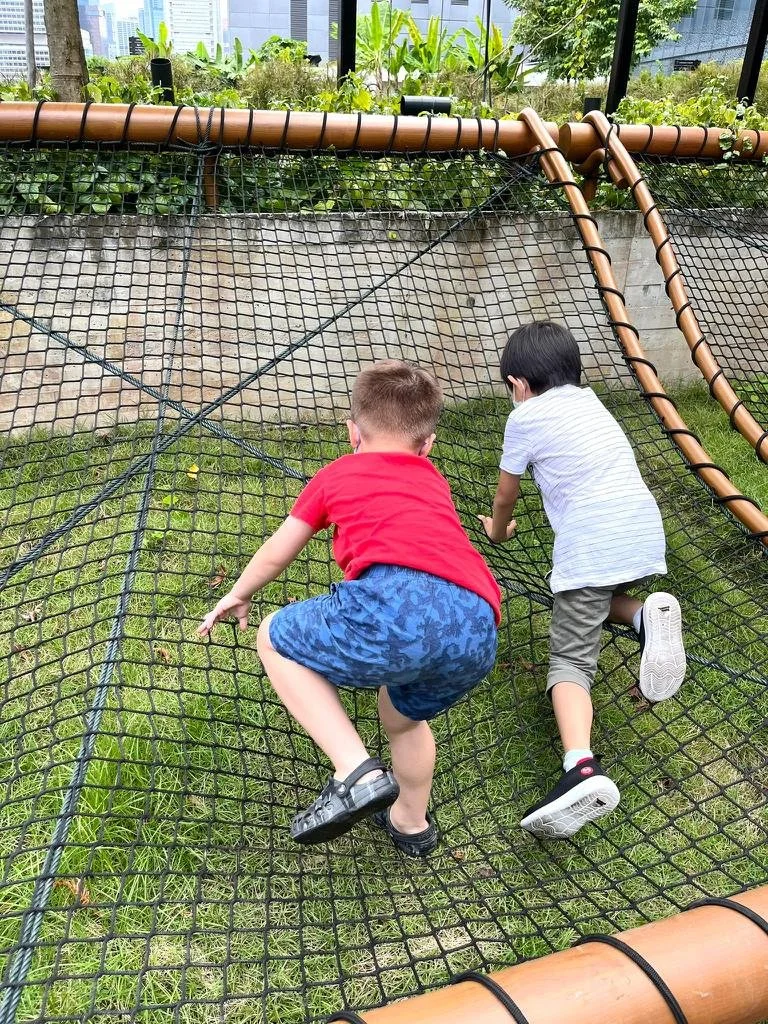
Gross Motor Skills
Building strength, balance, coordination, and body awareness to support confident movement and participation in physical activities.
-
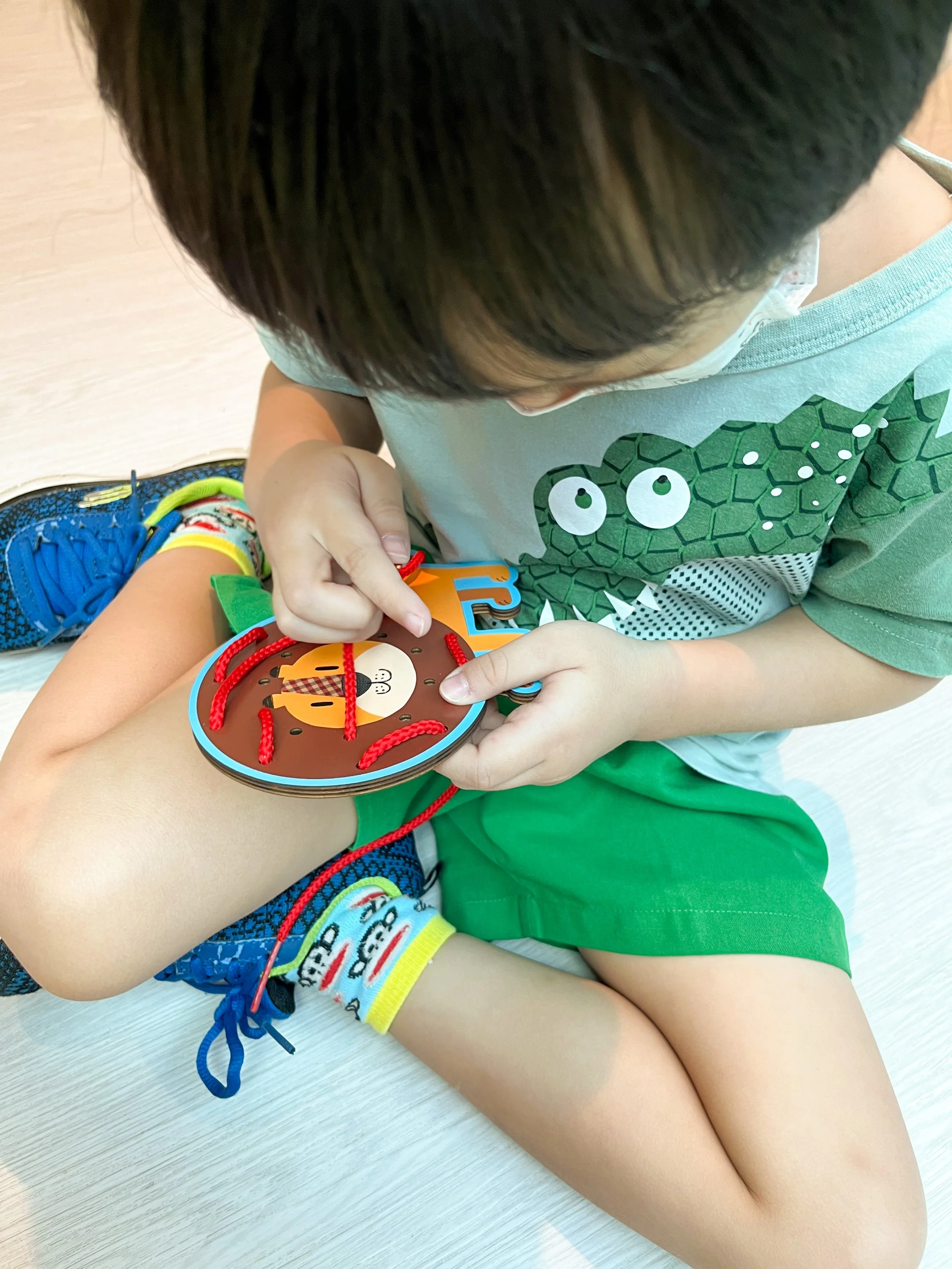
Fine Motor Skills
Developing hand strength, coordination, and control for everyday tasks such as writing, drawing, dressing, and using tools independently.
-
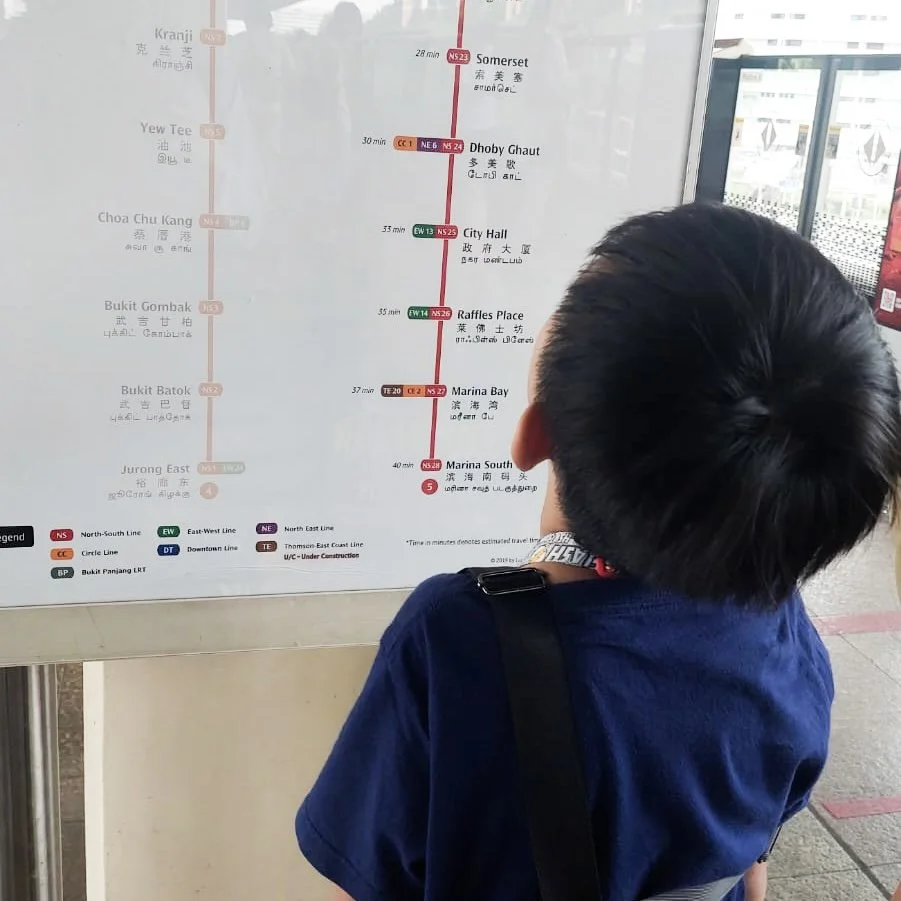
Adaptive
Developing practical self-help and independence skills needed to manage everyday routines, personal care, and daily activities.
-
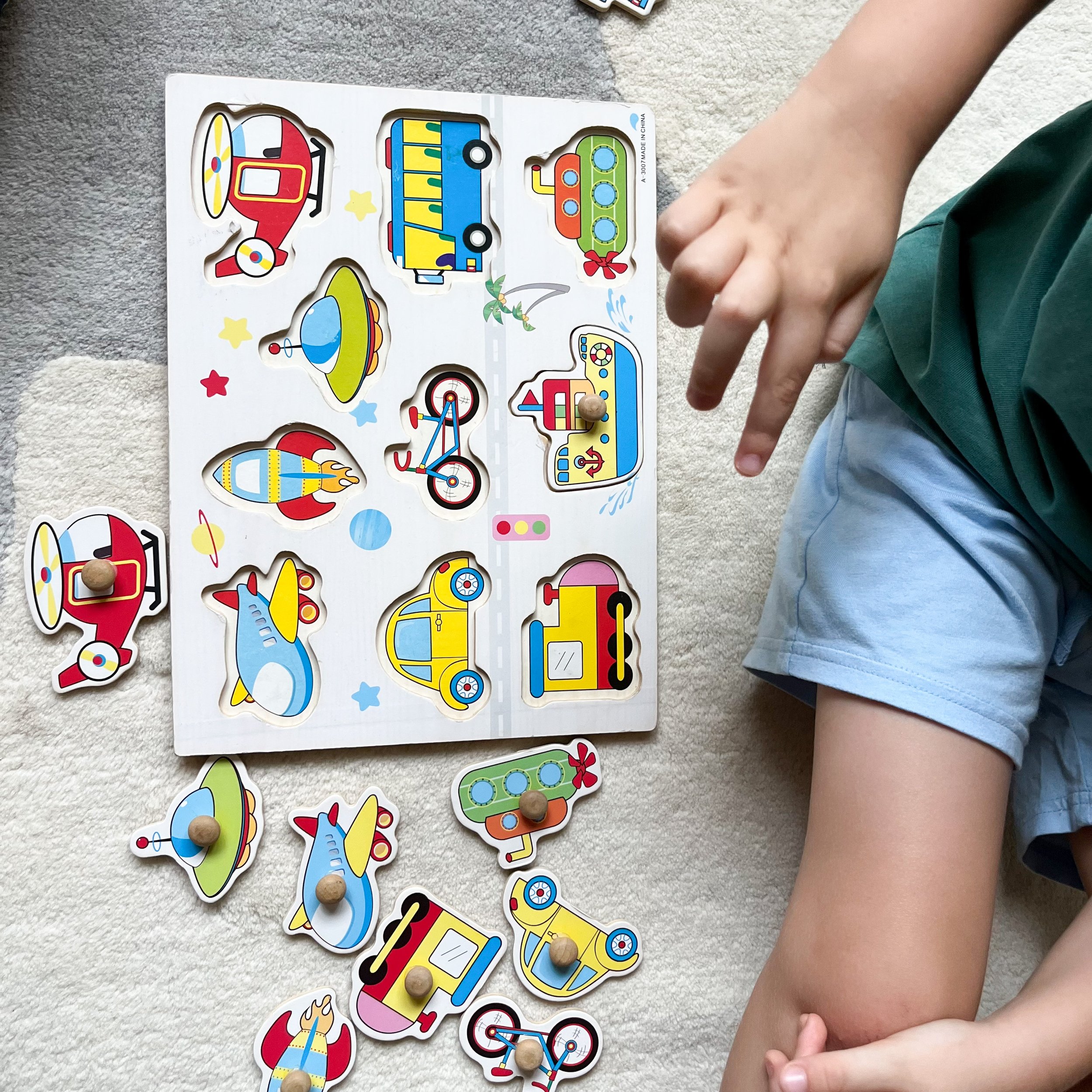
Cognitive
Strengthening thinking, attention, memory, problem-solving, and early learning skills to support understanding and participation across different experiences.
-
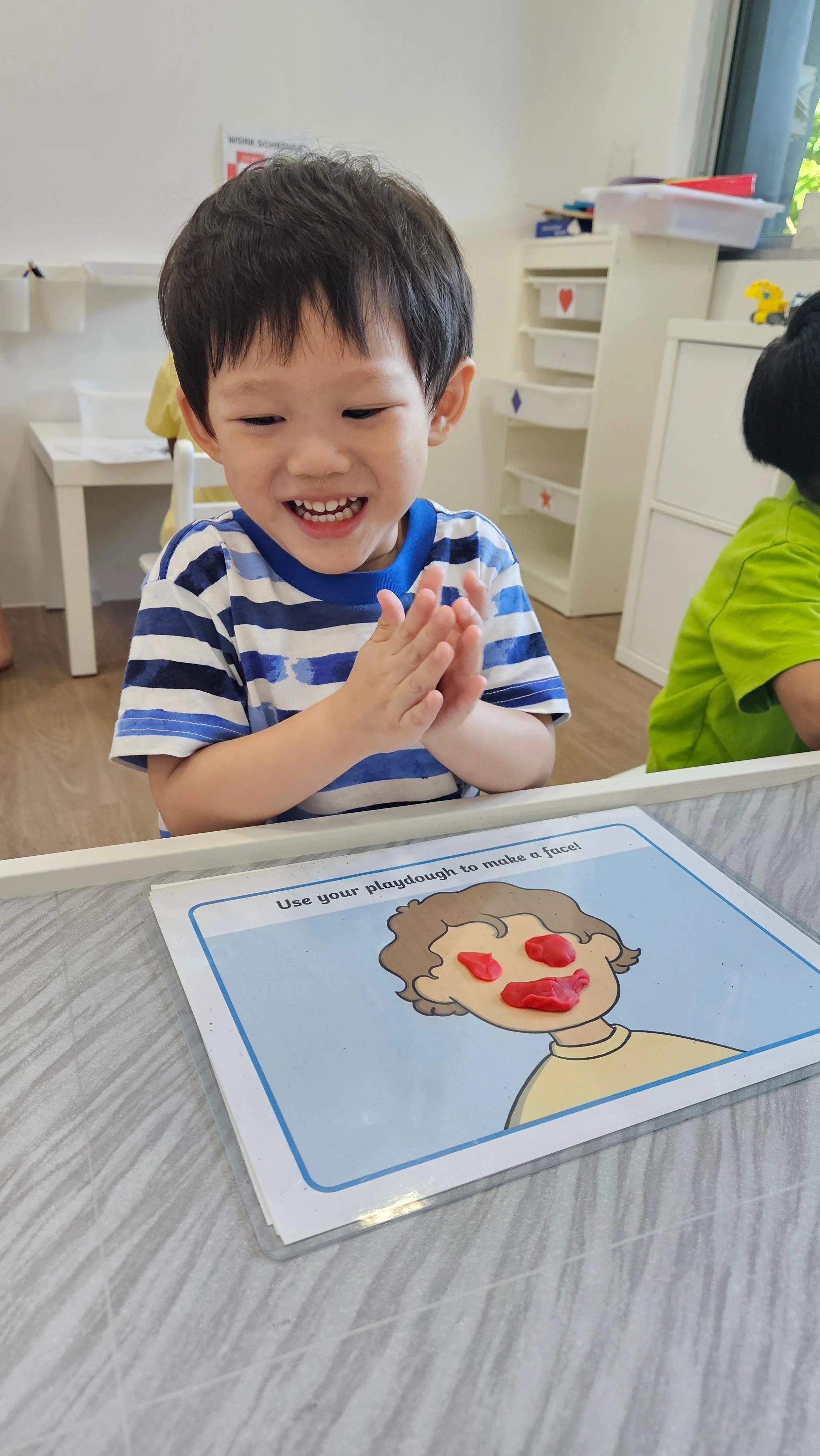
Social-Emotional
Building emotional awareness, self-regulation, confidence, and the skills needed to form relationships and navigate interactions with others.
-
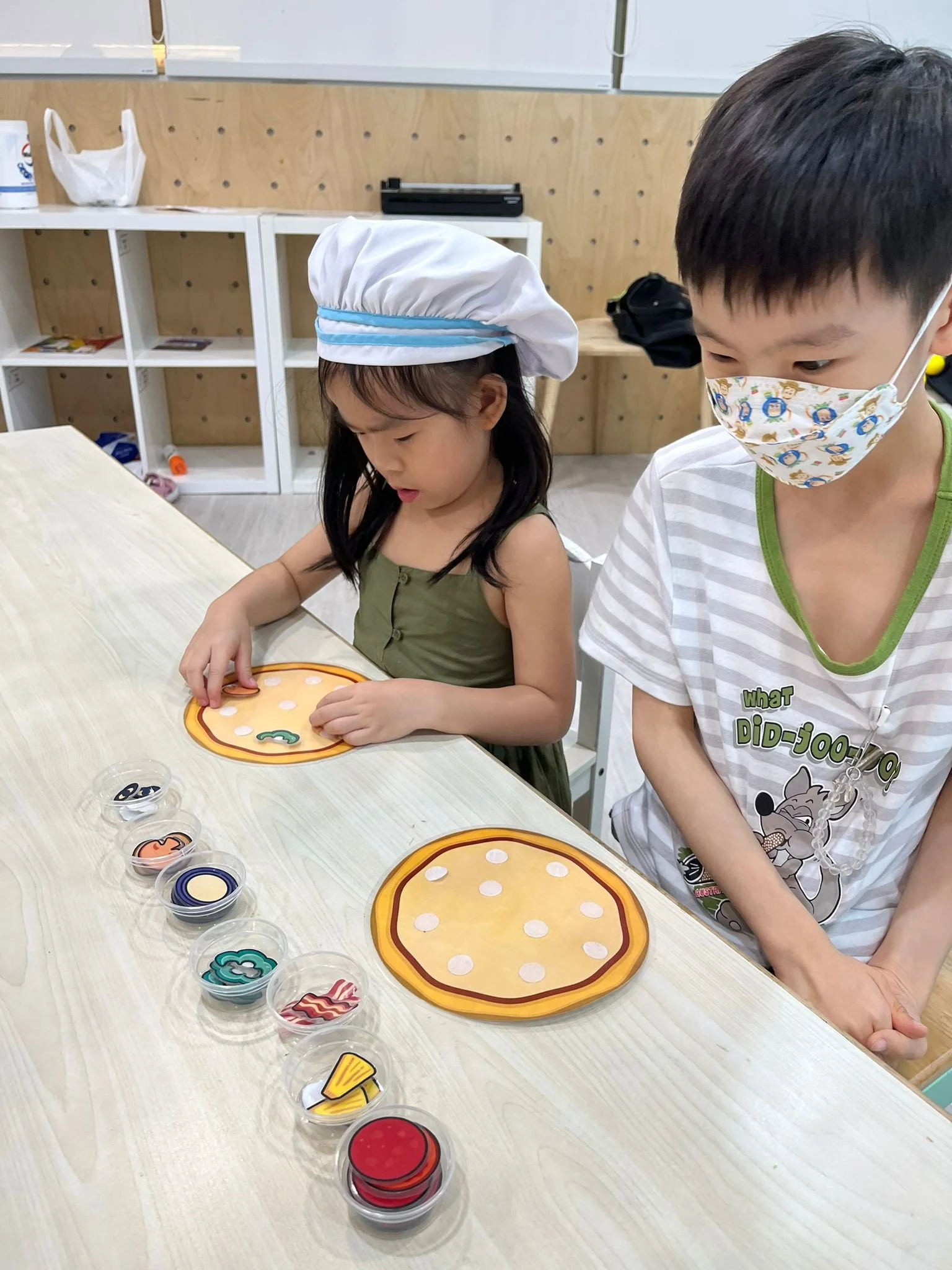
Social Communication
Developing the ability to engage, connect, and communicate with others through meaningful interactions, shared attention, and reciprocal exchanges.
-
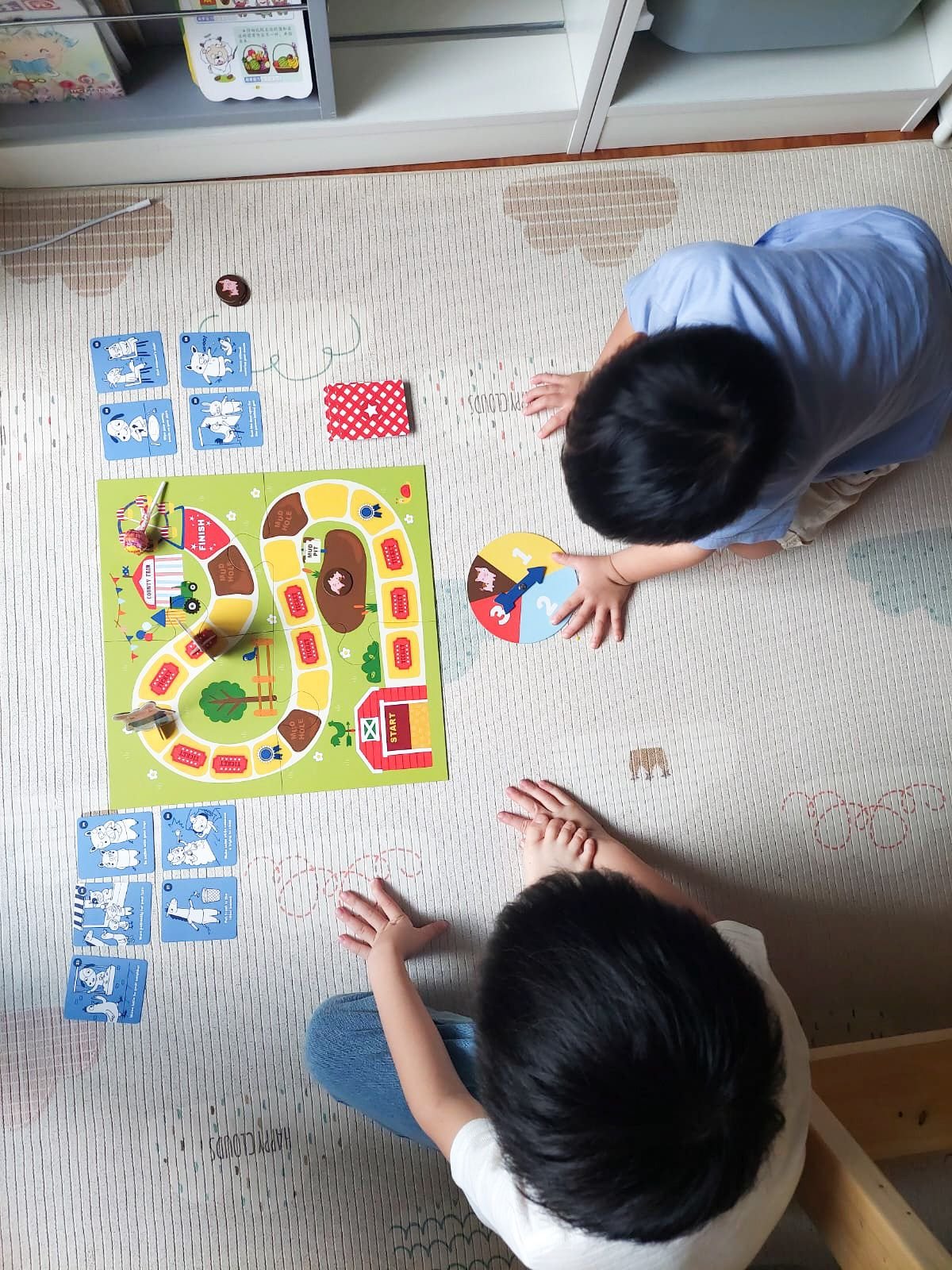
Receptive Communication
Strengthening the ability to understand language, follow instructions, interpret information, and respond meaningfully to communication from others.
-
Expressive Communication
Building the ability to communicate thoughts, needs, ideas, and feelings effectively through speech, gestures, signs, AAC, or other forms of communication.